
Peer Pressure: It is when you are influenced by other people (your peers) to act in a certain way. If you are with friends who are doing something that you typically would not do and they convince you to do what they are doing, that is an example of peer pressure.
Peer pressure is a direct or indirect influence on peers. For example, members of social groups with similar interests and experiences, or social statuses. Members of a peer group are more likely to influence a person's beliefs, values, religion and behavior. It is a feeling that one must do the same things as other people of one's age and social group in order to be liked or respected and valued by friends. For example, she started drinking in high school because of peer pressure.
Peer influence can be positive and negative. Peer pressure happens quite frequently– on social media, amongst our friend groups, at school and sometimes even in our home. There are several reasons, from scientific to social, that show why teenagers are vulnerable to peer pressure.
Peer pressure on teenagers can have both positive and negative effects, with the latter being more worrisome. However, the negative effects of peer pressure outweigh any benefits they may provide. Some of the effects:
Peer pressure is most commonly found in the ages of 12-19 years old. Hence, social pressure can be caused by the psychological pressure from young adults. Although parents worry about the influence of peers, overall, parents also can have a strong influence on whether children succumb to negative peer pressure.
Rather than worrying about the effects of their children's friendships, parents would do well to focus on creating a positive and supportive home environment. That way, even if your child is peer pressured to do something they don't want to do, they'll feel comfortable coming to you to talk about it first.
Research has shown that girls often experience higher levels of peer pressure compared to boys, particularly in relation to appearance, social status and relationships. This gender disparity has important implications for understanding and addressing the unique challenges faced by girls during their formative years.
Our sessions help in:
How to Say No to Peer Pressure:
Peer pressure need not be cast as the villain in our personal narratives. Some influences that might lead us astray can also propel us toward success, health and communal well-being. So, let’s redefine peer pressure, embracing its potential as a catalyst for positive change.
Write in to us at info@mindscapecareer.com or contact us at 0471–2339483 (between 10 am to 4 pm) or 9778188980 / 7907113827 (between 10 am to 7 pm).
Specialists

Rashmi Ranjan
Qualification : MA Applied Psychology, MPhil (Learning Disabilities)
Experience : 6+ years
Charges : Rs. 750 per hour
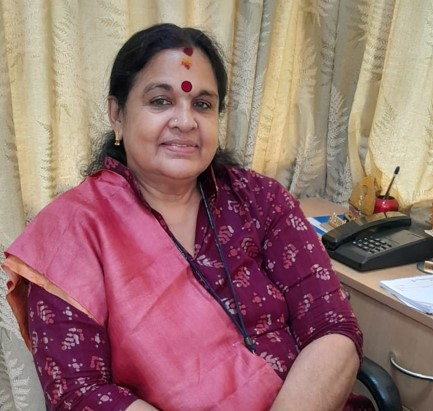
Lekshmi Bhaskar
Qualification : MSw, PGD Counselling Psychology
Experience : 20+ years
Charges : Rs. 900 per hour

Dr. Srividhya
Qualification : PHD Psychology
Experience : 26+ years
Charges : Rs. 1000 per hour

Pragila
Qualification : MPhil Clinical Psychology
Experience : 2 years
Charges : Rs. 750 per hour

Ardhra J.S.
Qualification : MSc. Clinical Psychology
Experience : 3 years
Charges : Rs. 750 per hour